It was straight after our Saturday morning Kingston parkrun, which finishes very near the get in, and when, coincidentally, the water was being tested.
The Environment Agency lady told us she had to wait until 10am to test and that the water temperature was a very pleasant 24 degrees – warmer than many public swimming pools.
While the quality testing wouldn’t be available for a day, the historic test results are online.
After a spike in nasties in June (perhaps coinciding with a release of ground water from the sewers after heavy rain) the water quality has been fine for swimming since.
With the water being so still, and doing a version of the breast stroke, I was able to successfully avoid anything but a few splashes getting onto my face and mouth. Whatever the reassurances, I wouldn’t recommend ingesting too much Thames water.
I got told off by someone sitting on a bench on the island opposite, Trowlock Island, for attempting to get out there and declare a victorious crossing – apparently they were on alert after a recent boat theft.
If you read the bathing signs (I didn’t), the designated bathing/swimming area is demarcated on the Surrey side – though open water swimmers like the Blue Tits women’s group are rather more adventurous.
The water didn’t smell (just a slight open river smell), there were a few tiny fishes visible through the very clear water and the water sample extracted for testing looked as clear as tap water.
We had a cup of tea from the YMCA Hawker centre afterwards rather than the traditional fizzy cola to keep any bugs at bay.
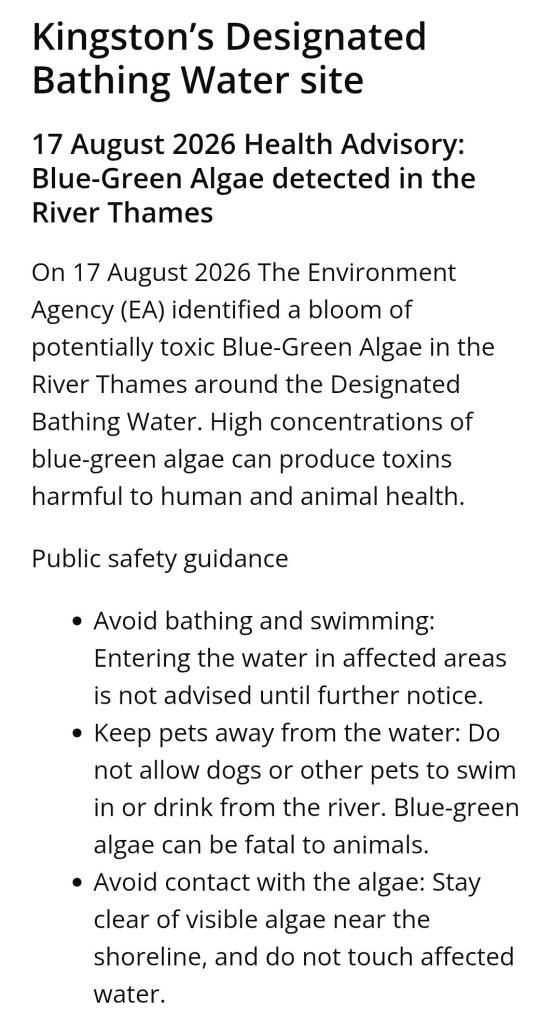
Come on in, the water’s lovely 😃 ..but check the latest advice:
It certainly resonated with this quinquagenarian – though happily my hearing’s fine at the moment.
I heard that! Pardon?
Here are a few remixes of that FSOL track.
By the way, the low drone and high synth at the beginning of the 7 and 12 inch original versions sounds like it may have influenced the beginning of another much more recent track by Jimmy Cauty (of KLF fame) which has a similarly timeless but somewhat more frenetic quality.
This article is now available as a short video which shows the steps to take in the Yahoo Mail app 👇
With the recent Yahoo email changes limiting you to 15G of free storage you may be struggling to work out how to reduce your storage when you’ve got mails going back years or even decades.
The “Manage storage” button just let’s you see emails with media or documents, sorted by size and download them so isn’t that useful when you’re trying to get rid of gigabytes of storage. Reviewing all your old emails would take forever!
Well, one quick way to reduce your Yahoo storage is to delete all those now effectively junk emails with updates you get from companies like Ebay, Amazon, LinkedIn, Facebook and others.
To do this you just need to open one of those junk emails, find the sender email address, copy it and then search for all emails from that address.
In the search bar just type from, colon, space, and then paste the email address e.g.
From: donotreply@ebay.com
Now here’s the trick. You need to click or touch to select all those emails – not just the most recent ones and then click delete.
We’re not quite there yet. Those deleted emails just went to our yahoo trash folder so we also need to delete them from there.
Close and reopen the yahoo mail app and voila! You’ll see your storage has reduced. Some senders will have thousands of emails in your inbox and with pictures too so you can free up loads of space this way.
Staying within the 15 Gigabyte Yahoo storage limit means you avoid paying monthly fees so if you’re close to your limit a bit of housekeeping may be just the ticket.
Britain’s broken democracy – Taxation without representation
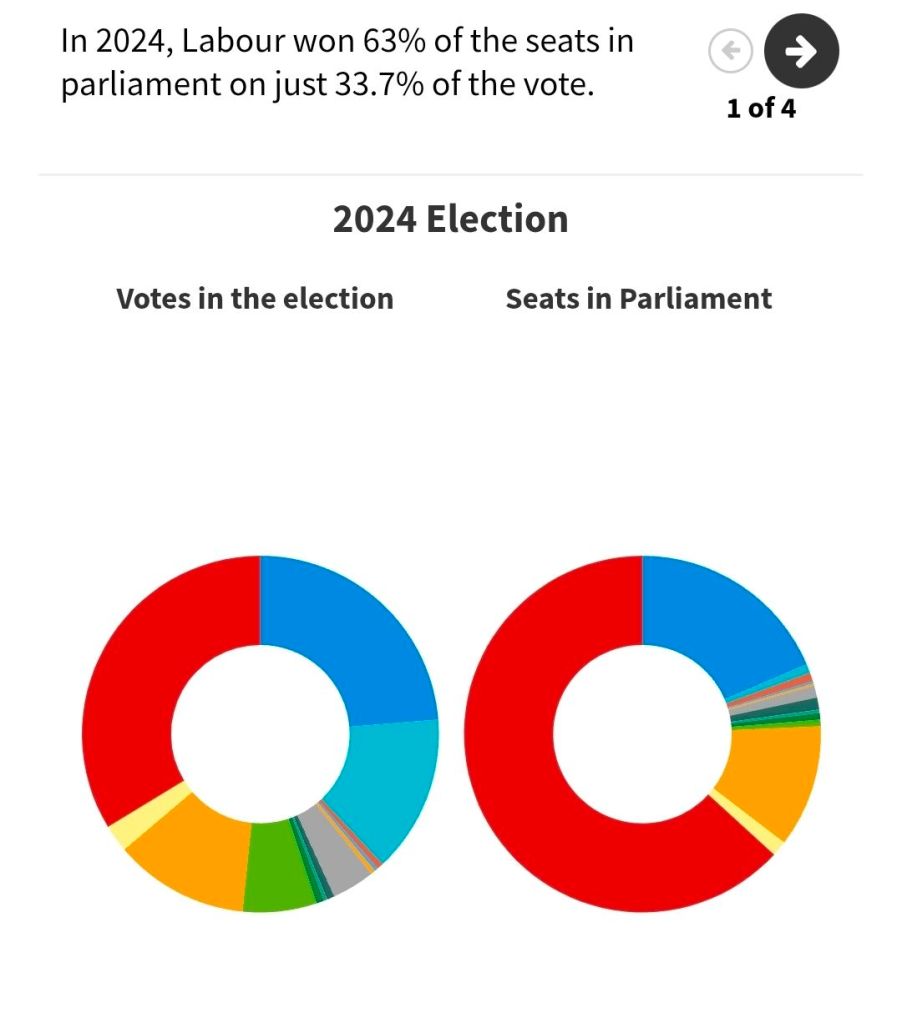
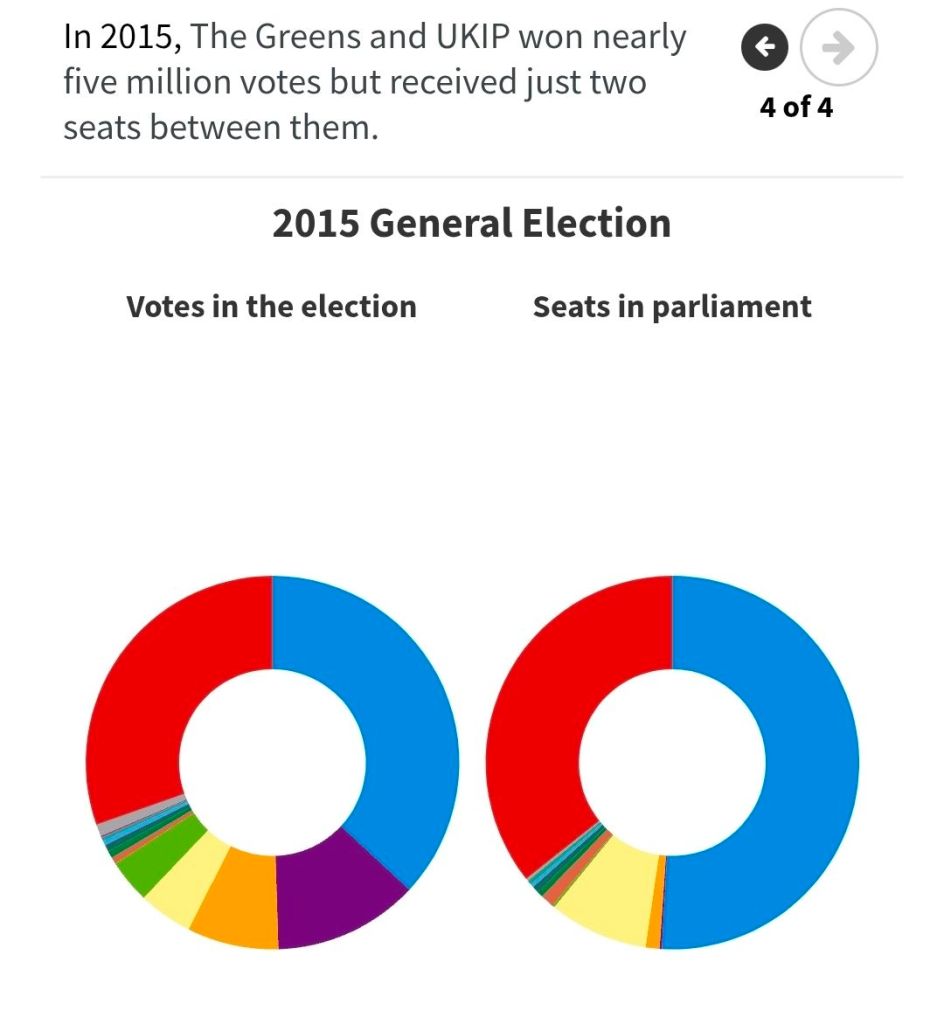
The UK’s first past the post (FPTP) system, coupled with a proliferation of political parties, means that power goes to the biggest sect rather than the people.
Why is this obvious consequence of our political system – the system which allocates and reallocates resources – not being shouted about?
The many are being enslaved by the few.
Everyone is ruled by whichever unpopular minority can organise themselves to get more votes than the next biggest sect.
Could this explain the instability in recent governments. Frequent new Prime Ministers, U-turns on policy, amplification of policies that appeal to a minority, rising crime and societal unhappiness.
When the rules of a game are broken, is it any wonder big players come to the casino to bring the house down?
Some fairer form of representation of the people, often referred to as “Proportional Representation”, is the answer but which sect would ever give up power?
How would there ever be agreement on which fairer system to adopt?
The argument is that the FPTP has ‘worked’ for ever but history shows how often our system of representation has been revised to better reflect the wants of the many, not the few.
Politics isn’t working. It’s time to call time on the broken culture in Westminster and have a fresh start with a fair voting system. Add your name to @electoralreform’s call to #MakeSeatsMatchVotes
Cold water bottle – cool down with your hot water bottle!
This article is now available as a short video.
With these record-breaking temperatures in the UK, are your feet feeling really hot? 🥵
Have you been resting the base of your feet on your calves for temporary relief from aching hot feet?
Putting your feet into a bucket of cold water has always been a way to cool down but isn’t very practical when lying down – nor if you want to move around at home without having to dry your feet off each time.
I was imagining a solution involving a water-filled rubber mat or overshoes when it hit me.
Why not just fill a hot water bottle with cold water?
It’s a technology many people already have in their home and widely available.
Ice “slippers” and similar can be found online but these could potentially be a little too harsh or even cause cause cold burns with prolonged use.
Your feet act like the radiator in a car engine. Cool them and the rest of your body follows.
Short of aircon, a cold shower, bath, paddle in a stream or dip in the sea has always been the ultimate way to cool down but reimagining your hot water bottle may do the trick. Give it a go, and feel free to leave a comment if it worked for you 😃
This is one of the funniest radio sketches I’ve ever heard but I couldn’t find the original script or even a transcript online so here it is!
There are more poignant sketches like their Corner Shop (for TV https://youtu.be/uRbj1Q4tXNo) but this gets close to 10 laughs per minute on average – and in fact a much higher rate, given the first laugh doesn’t come until nearly 30 seconds in.
Title: Cash Register Shop Script Running time: 2m10s Writer: Toby Davies From: That Mitchell And Webb Sound S05E01 (2013) https://youtu.be/p_KlckKFFc0 Notes: 2s/line (frenetic), 22 laughs so 10/min! (hilarious) Style: observational to surreal to ridiculous.
SCRIPT (*) shows where the audience laughs.
Customer: Yeah, I think it’s a little bit pricey for me.
Shopkeeper: I know it does seem a little expensive, but I think you’ll be pleased you made the investment. This is one of the best cash registers on the market.
Customer: Well, I’m sure you know your stuff when it comes to cash registers. I, I’ve never seen so many cash registers in one place. Cash registers as far as the eye can see.
Shopkeeper: Yeah. Well, well, we specialize in cash registers, as you can tell. We only sell cash registers.
Customer: What about that?
Shopkeeper: That’s my daughter’s saxophone. She picks it up here for her lesson. Now, about the cash register. (*) Customer: D’you know, I think you’re right. It’s expensive, but worth it. Sold.
Shopkeeper: Excellent choice. Let me just ring it up.
FX: Cash register ring.
Shopkeeper: Oops. Silly me. That’s not our actual cash register. (**) That’s uh that’s one of the ones we sell. I’ll um I’ll just ring it up.
FX: Cash register ring.
Shopkeeper: Ha ha. That’s not it either. (*) That’s uh that’s a display model. Try again.
Shopkeeper: Is not the right one. (*) Um this one.
FX: Cash register ring.
Shopkeeper: Nope.
Customer: Uh, how about this one?
Shopkeeper: Good thought.
FX: Cash register ring.
Shopkeeper: Nope. (*) This one?
FX: Cash register ring.
Shopkeeper: Nope. This one?
FX: Saxophone parp.
Shopkeeper: That’s my daughter’s saxophone. (**) FX: Cash register ring.
Shopkeeper: Nope. So, sorry about this.
Customer: Please don’t worry. It’s totally understandable. (*) Shopkeeper: I I can’t help feeling we should have some sort of system to prevent this from happening. (*) But, uh, there you go. I’ll just try these three.
FX: Cash register ring. x 3
Shopkeeper: Nope. (**) This one.
FX: Saxophone parp.
Shopkeeper: That’s my daughter’s saxophone again. (*) FX: Saxophone parp. (*) Shopkeeper: And again. I mean, that’s just silly. It doesn’t even look like a cash register. (*) FX: Cash register ring.
Shopkeeper: Nope.
Customer: Should I come back later?
Shopkeeper: Nope. Don’t worry. We’ll have this sorted out in a jiffy.
FX: Cash register ring.
Shopkeeper: Nope. Ah, here it is. Call off the dogs. This is the one.
FX: Saxophone parp.
Shopkeeper: Damn it. (**) FX: Door open ring.
Shopkeeper: I I didn’t do anything that time. (*) Customer: Uh, it was the door.
Shopkeeper: Oh, yes, of course.
Robber: Right. Do exactly as I say. And nobody gets hurt. (***) Shopkeeper: Oh. Uh. Oh, right. Yes, of course.
Robber: Just give me all the money in the till. (**) Shopkeeper: Right. Right away.
FX: Cash register ring.
Shopkeeper: Nope. (*) FX: Cash register ring.
Shopkeeper: Wrong again.
FX: Saxophone parp. (*) Shopkeeper: Nope.
FX: Cash register ring.
Shopkeeper: We’ll get there in the end. (*) END
If you love writing sketches, sitcoms or screenplays and are looking for feedback on whether yours is funny feel free to DM me to join a comedy writers’ WhatsApp group – deets in my links 👇👍
This is the beginning of an article considering how to reduce UK dependency on American software and hardware platforms to mitigate the risk of economic (cold) war with the United States.
US Technology companies include household names like Microsoft, Google/Alphabet, Amazon/AWS, Apple, Meta (WhatsApp, Instagram, Facebook), YouTube, X, Salesforce, Netflix, eBay, OpenAI, Oracle, Nvidia, Intel and AMD.
The prospect of cold war between the United Kingdom or Europe and the United States may until recently (2025) never have been considered by your organisation. Even had it been recorded as a theoretical risk on a risk register somewhere, it may have seemed so remote a possibility and so seemingly impossible to mitigate against that the risk was simply accepted (low risk, high impact).
Recent events, including the introduction and threat of further tariffs on the UK and Europe, and unprecedented actions on the world stage may have changed the perception of that risk.
Likely, your US software vendors – Microsoft, Amazon AWS, Google, etc. won’t allow you to host their cloud application, platform and infrastructure services on your own hardware or ‘tin’. Or if they do e.g. through Docker containerised services or similar, such alternative hosting models will themselves introduce dependency on American operating systems and/or hardware/microchip technology.
So how to address the risk?
Two main options present themselves.
Firstly, put pressure on US vendors to provide a mechanism to address this risk e.g. open source their software or put their software into an escrow arrangement for release on condition of economic sanction, tariff or other conflict with the US.
Secondly, ensure all dependencies on technologies (this need not be confined to US technologies) are documented to a sufficient level that mission critical applications could be rewritten for porting and data migration to non-US technology or non-proprietary platforms. This might include producing architecture diagrams (business, data, application, technology) and functional specifications.
Such documentation would necessarily include everything from the ground up i.e.
applications (bespoke, configuration and customisation of application platforms like ERP, CRM, CMS, LLM, Reporting, Data Analysis, Machine Learning, etc. and database platforms for OLTP, OLAP, etc.)
If you have experience of performing these negotiations and analysis, reusable templates and processes to employ, pitfalls and gotchas to watch out for or anything else to mitigate the risks of dependency on non-national resources please do share in a comment.
With such specifications, one can imagine the prospect of automating the development of applications from them, built upon non-US and non-proprietary technologies.
Furthermore, a future national or European cloud software vendor could offer similar services to the US companies that currently dominate by reverse engineering the specifications of such services.
Platforms for low-code and no-code application development have existed for some time, and AI platforms for building apps from descriptions, like Google’s Opal, are already available.
Start by focusing on your most mission critical applications. The lessons learned can be used to inform the subsequent porting of any application in more efficient and optimal ways.
Legislation is being progressed to address the UK’s empirical lack of “digital sovereignty” but organisations, especially those providing critical national infrastructure would be wise to consider the options available until legislation is enacted.
Digital sovereignty is the capacity of a state, organization, or individual to independently control digital infrastructure, data, and decision-making processes within their jurisdiction.
A global interconnected pattern of dependencies is a positive for world cooperation and ultimately peace but where there is an imbalance of power in any realm, such imbalance could be exploited and upset world order. Steps to mitigate such imbalance help ensure no nation gets too big for its boots and necessitate mutual respect.
The United States has benefited from international trust in globalisation and now holds significant influence stemming from that trust. International reliance on US technology and other companies has allowed them to grow unchecked to a point where they can potentially upset the delicate balance of power needed for the security of the world.
Eternal vigilance, recognising and mitigating the risk of power imbalance is perhaps the price we pay for a safe world.
If you attended a HMRC-hosted MTD webinar for the self-employed, landlords, and joint property owners, you may have seen your and several other attendee questions fly past in the GoTo Webinar interface without being able to record or screenshot them.
Several questions were raised and answered in the webinar that I attended on 4th December 2025 and these are captured in the video above – pause and/or slow it down to see the Q&A.
These include discussion of MTD software, key dates for beginning to submit quarterly electronic records, what counts as qualifying income (turnover v profit and excluding PAYE salary, pensions), categories (as per existing self assessment form), sole trader and landlord categories, combining income/expense line items, scanned documents v keying in manually, quarterly and full year submissions, mtd software as tax deductible, SA109, separate bank accounts/submissions for property and self employment, joint property expense recording, 24/25 50k rule, calendar quarters, why this is happening and the legal basis, evidence of income/expense, using an accountant, how many tax payments are made/when, correcting previous quarter submissions in the next update, xml/csv/api/Excel, foreign property income, submitting without an agent/book keeper/accountant, lumping together property incomes v self employment incomes, time gap between last quarterly update (7th May) and end of year return (Jan of the following year), HMRC evidence/bank accounts, and more.
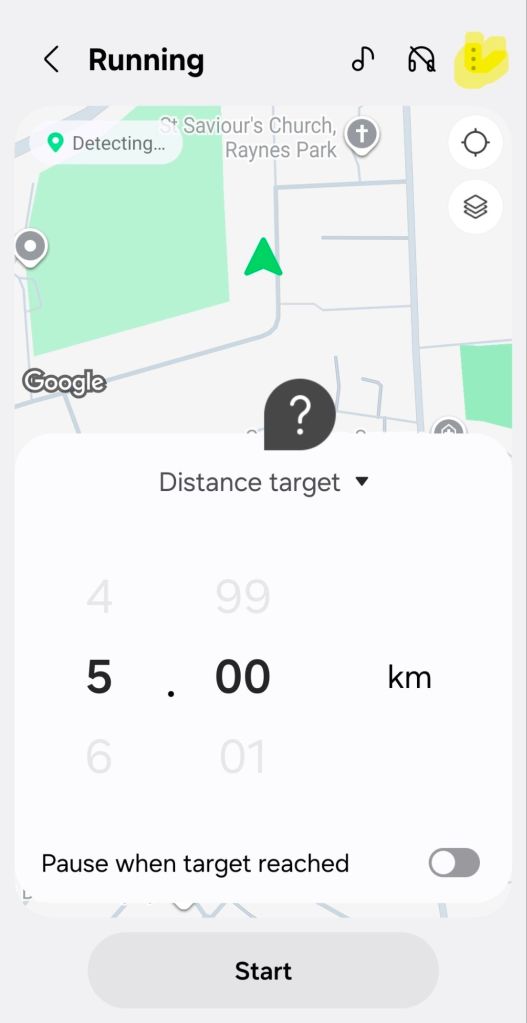
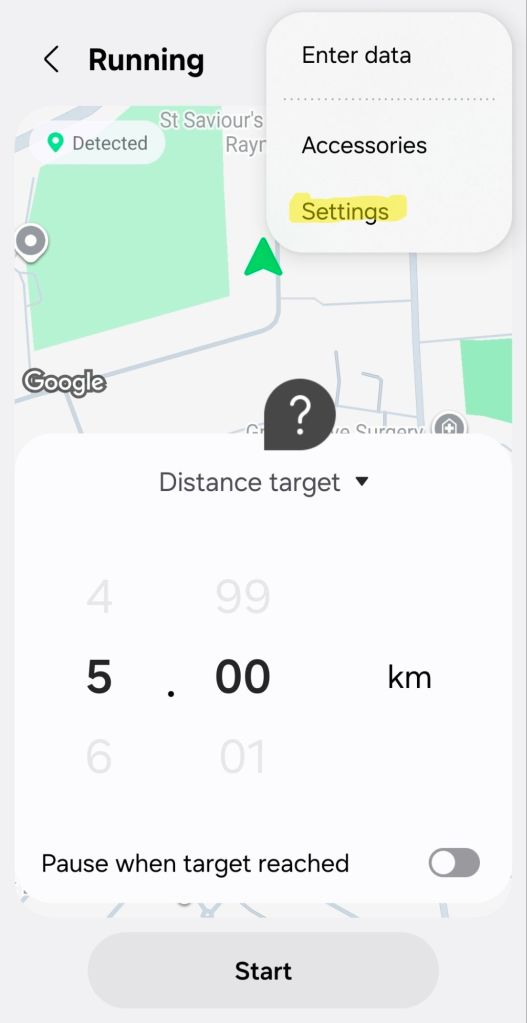
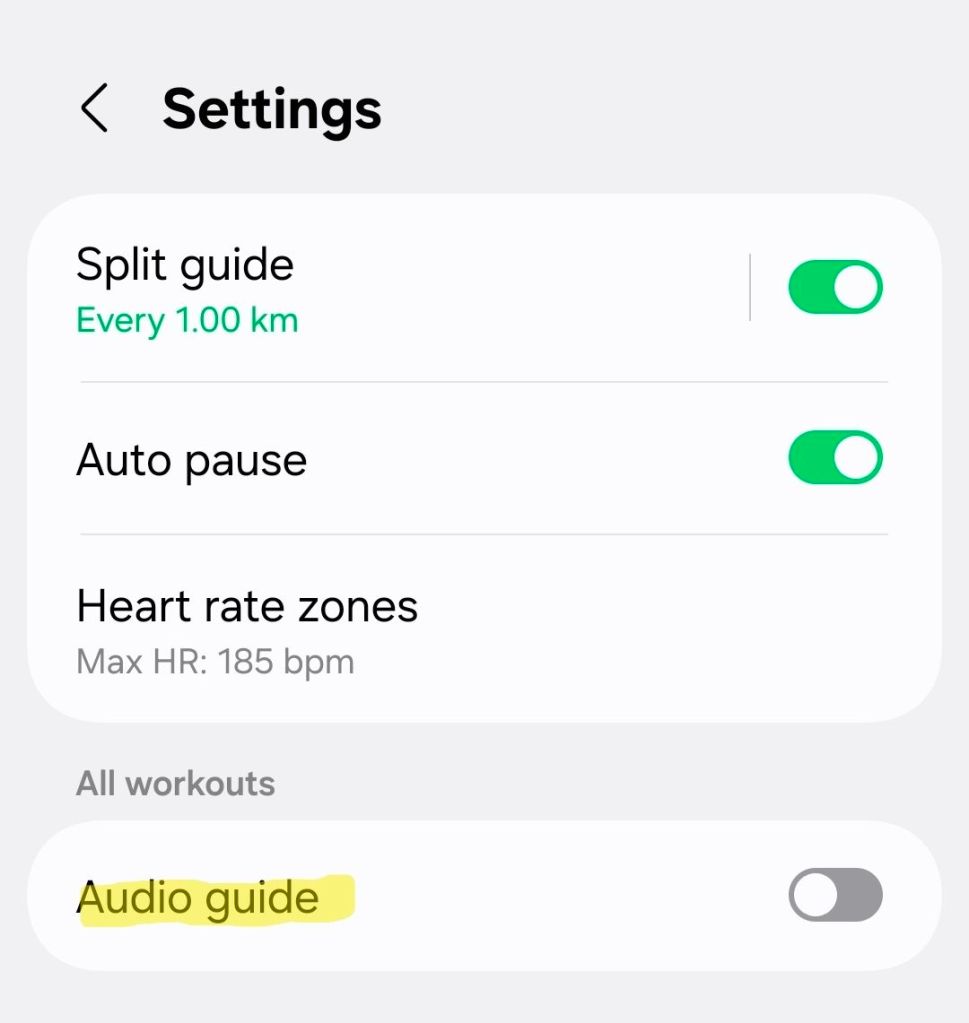
Just some of the messages I got through my headphones this morning, interrupting the podcast I was listening to on my weekly park run.
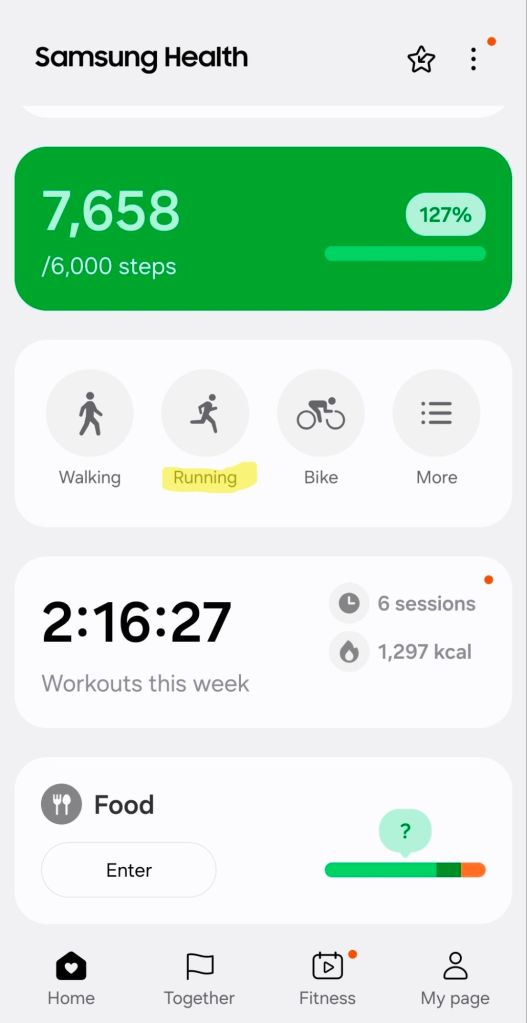
While tempted to throw my phone into the bushes, never to be seen again, I held on to the bitter end and worked out how to turn this unrequested workout advice off.
From the Samsung Health app, click Running > 3 dots > Settings > Audio Guide and toggle it off.
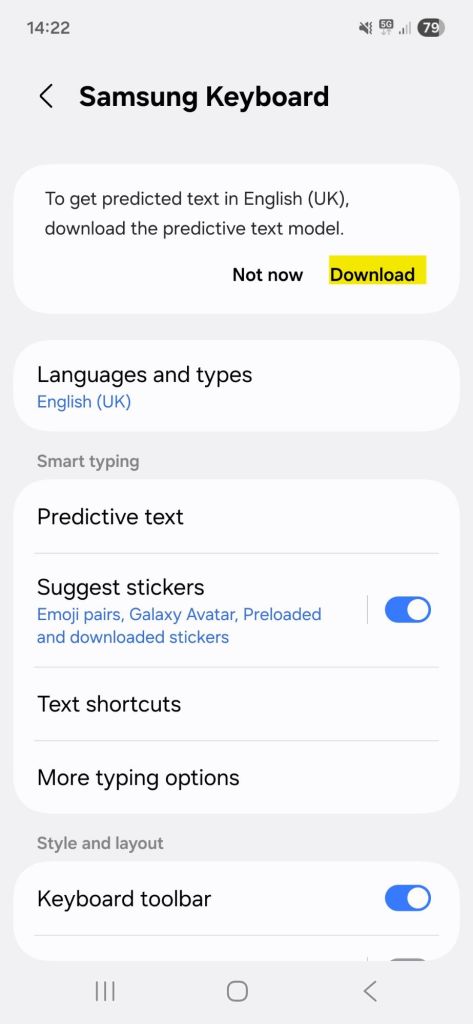
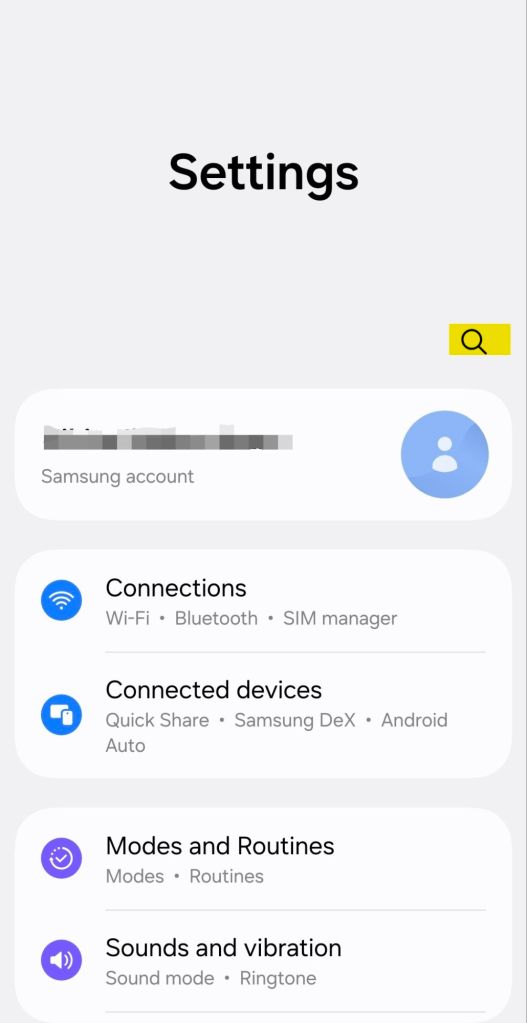
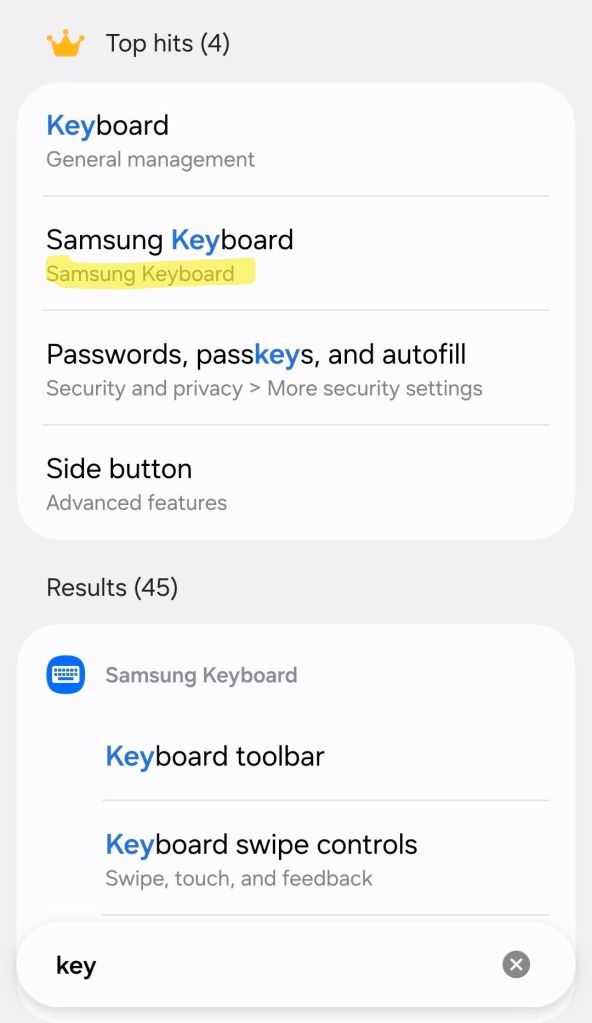
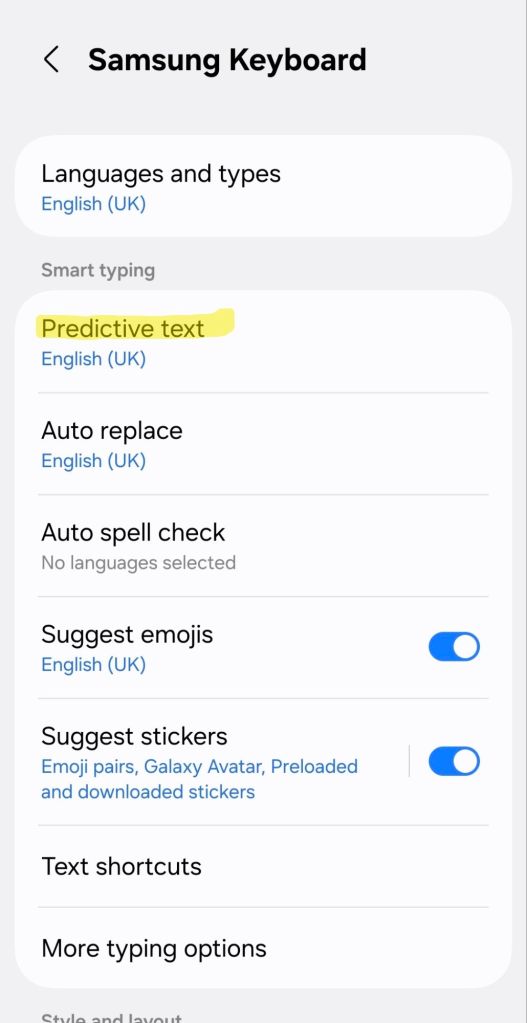
Frustratingly the panel showing word suggestions and spelling corrections above the on-screen keyboard was gone (!) after my phone upgraded to the latest Android and OneUI 😱
To get them back, go into your phone settings and download the predictive text pack. Voila! 🎉
I didn’t need to do anything else but the screenshots below show the relevant phone settings and the return of the word suggestions line above the keyboard.












 GI Chow